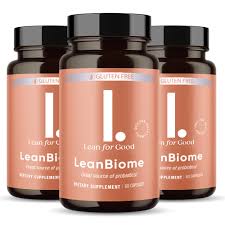
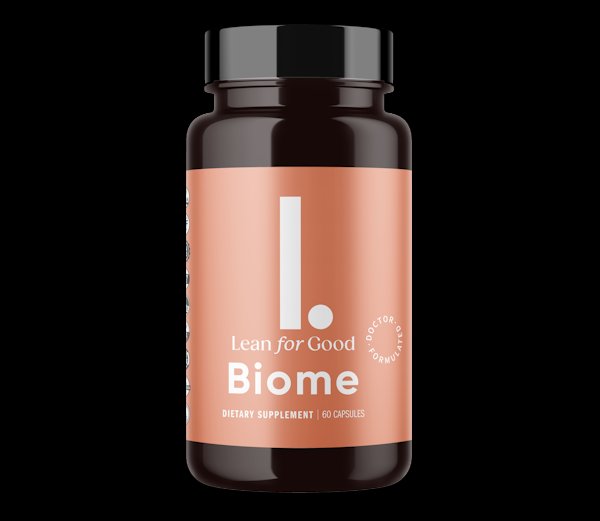
An evidence-based analysis of LeanBiome’s 9 probiotic strains, Greenselect Phytosome, clinical research, real customer results, side effects, and whether it is worth your money.
🔒 Secure Checkout | 🛡 180-Day Money Back | Free Shipping on 3 & 6 Bottles

According to the National Institute of Diabetes and Digestive and Kidney Diseases (NIDDK), approximately 73.6% of US adults aged 20 and over are overweight or obese. Emerging research increasingly implicates gut microbiome imbalance as a significant contributing factor to metabolic dysfunction, fat storage, and appetite dysregulation — independent of caloric intake alone.
LeanBiome is a once-daily capsule manufactured by Lean For Good in an FDA-registered, GMP-certified US facility. Its formula combines 9 probiotic strains delivered in DRcaps® delayed-release technology — ensuring the bacteria survive stomach acid and reach the gut alive — with Greenselect Phytosome®, a patented caffeine-free green tea extract with superior bioavailability. This review covers every ingredient with PubMed-cited clinical evidence, a competitor comparison, real customer feedback, safety data, and current 2026 pricing.
We do not accept payment to alter our editorial findings. Our affiliate relationship is disclosed above.
The gut microbiome is the collective community of trillions of microorganisms — primarily bacteria, but also fungi, viruses, and archaea — living in the human gastrointestinal tract. The colon alone houses approximately 100 trillion bacteria representing over 1,000 species. These microbes are not passive passengers: they produce metabolites, regulate immune function, communicate with the brain via the gut-brain axis, and critically influence how the body processes nutrients and stores fat. When this ecosystem falls out of balance — a condition called dysbiosis — metabolic consequences can include impaired insulin sensitivity, increased fat storage, chronic low-grade inflammation, and dysregulated appetite hormones.
According to NIDDK data, 73.6% of US adults are overweight or obese, with direct healthcare costs exceeding $173 billion annually. Research published in Nature (Turnbaugh et al., 2006) established that the gut microbiome itself can drive obesity: germ-free mice colonised with microbiota from obese mice gained significantly more fat than those colonised with lean mouse microbiota — without any change in diet. This finding established gut bacteria composition as an independent driver of metabolic health.
Diet: Processed foods, refined sugars, and low-fibre diets starve beneficial bacteria while feeding harmful strains. A single course of antibiotics can eliminate up to 30% of gut bacterial diversity, with some species not recovering for months or years. Chronic stress alters gut motility and permeability through the gut-brain axis, creating conditions for dysbiosis. Ageing naturally reduces microbial diversity, which correlates with the metabolic slowdown many adults experience after 40.
High-fibre Mediterranean-style diet is the most evidence-based approach to improving microbiome diversity and metabolic health simultaneously.
Clinical studies on specific Lactobacillus and Bifidobacterium strains show measurable changes in gut composition, body weight, and metabolic markers.
Inulin and FOS (fructooligosaccharides) selectively feed beneficial bacteria. Studies show prebiotic supplementation reduces visceral fat and improves insulin sensitivity.
Experimental procedure transferring stool from lean donors to obese recipients. Early trials show improved insulin sensitivity, though not yet standard care for obesity.
Yogurt, kefir, kimchi, sauerkraut, and kombucha contain live bacteria that directly seed the gut. A 2021 Stanford RCT in Cell (Wastyk et al.) found a high-fermented-food diet increased microbiome diversity and reduced inflammatory markers in 10 weeks.
Garlic, onions, leeks, asparagus, and oats contain inulin and FOS that selectively feed Lactobacillus and Bifidobacterium. A meta-analysis in Journal of Nutrition (2019) found prebiotic supplementation reduced BMI and fasting glucose in overweight adults.
Epigallocatechin gallate (EGCG) modulates gut bacteria composition, promotes fat oxidation, and reduces visceral fat. A 12-week RCT in Obesity (2008) found green tea extract produced significantly greater fat loss than placebo.
Blueberries, raspberries, and pomegranate contain polyphenols that selectively promote Akkermansia muciniphila — a strain associated with lean body mass and reduced intestinal inflammation.
Beans, lentils, and chickpeas are high in resistant starch that bypasses digestion and ferments in the colon, producing butyrate — a short-chain fatty acid that directly feeds colon cells and reduces inflammation.
Broccoli, cauliflower, and cabbage contain glucosinolates that the microbiome converts to compounds with anti-inflammatory and anti-obesity properties. Regular consumption correlates with higher Lactobacillus abundance.
Sources: NIDDK | CDC Obesity | Mayo Clinic Weight Loss
LeanBiome is developed by Lean For Good, described by the company as based on research from leading academic institutions examining the microbiome composition differences between naturally lean and overweight individuals. The formula is manufactured in an FDA-registered, GMP-certified US facility and is vegan, non-GMO, gluten-free, dairy-free, and soy-free.
The standout feature is the use of DRcaps® — delayed-release capsule technology that protects the probiotic strains from stomach acid degradation. Most standard probiotic capsules lose 30–60% of their bacteria in the stomach before reaching the intestines. DRcaps® ensures the full dose arrives in the gut where it can colonise and produce metabolic effects.
Every ingredient is referenced against published clinical studies. We only cite studies with verified PubMed PMIDs.
EGCG (epigallocatechin gallate) inhibits catechol-O-methyltransferase (COMT), an enzyme that breaks down norepinephrine — a key fat-burning signal. This increases norepinephrine activity, which stimulates thermogenesis (heat production from fat burning). Greenselect Phytosome®’s patented phytosome delivery binds EGCG to phosphatidylcholine, dramatically improving intestinal absorption compared to standard green tea capsules.
Di Pierro et al. conducted a 90-day RCT in 50 overweight patients. The Greenselect Phytosome group lost an average of 14.2 kg vs 2.7 kg in the diet-only control group. The Phytosome group also showed significantly greater reductions in BMI, waist circumference, and inflammatory markers. (Phytotherapy Research, 2009)
L. gasseri reduces visceral fat by inhibiting dietary fat absorption in the intestines via upregulation of ANGPTL4 — a protein that limits fat uptake from food. It also reduces leptin resistance, helping restore normal appetite signaling. Studies show it specifically targets visceral (deep belly) fat, which is metabolically most harmful.
Kadooka et al. conducted a 12-week double-blind RCT in 87 Japanese adults with high visceral fat. The L. gasseri SBT2055 group showed a statistically significant 8.5% reduction in visceral fat area, 3.3% reduction in BMI, and reduction in waist and hip circumference vs placebo. (European Journal of Clinical Nutrition, 2010)
L. rhamnosus modulates the gut-brain axis, influencing GABA receptors and reducing anxiety-driven eating. It also regulates the gut hormone GLP-1 (glucagon-like peptide-1), which promotes satiety and slows gastric emptying — reducing post-meal hunger. Research shows it preferentially reduces fat in the abdominal region rather than lean muscle mass.
Sanchez et al. conducted a 24-week RCT in 125 overweight adults. Women in the L. rhamnosus group lost an average of 4.4 kg vs 2.6 kg in the placebo group. Over the following 12 weeks, the probiotic group continued losing weight while the placebo group rebounded — suggesting sustained microbiome changes. (British Journal of Nutrition, 2014)
L. fermentum improves fat metabolism by modulating SCFA (short-chain fatty acid) production in the colon. SCFAs like butyrate and propionate reduce fat cell differentiation (adipogenesis) and increase fat burning (lipolysis). L. fermentum also reduces inflammatory cytokines that block fat metabolism, particularly TNF-alpha and IL-6.
Jacouton et al. reviewed Lactobacillus strains in obesity management and found L. fermentum produced a 3% drop in body fat percentage in 43 days in the active group compared to 1% in placebo — a statistically significant 3-fold advantage. (Frontiers in Microbiology, 2017)
Inulin is not digested in the small intestine — it passes intact to the colon where beneficial bacteria ferment it into short-chain fatty acids. This fermentation process selectively increases Bifidobacterium and Lactobacillus abundance while crowding out harmful bacteria. Inulin also reduces appetite by stimulating GLP-1 and PYY (peptide YY) release, both satiety hormones.
Dahl et al. systematic review and meta-analysis in Nutrients (2020) found inulin-type fructan supplementation significantly reduced body weight, BMI, and fasting glucose in overweight adults across 26 RCTs. The effect was most pronounced in subjects with metabolic dysregulation.
L. paracasei enhances tight junction protein expression in the intestinal wall, physically sealing the gaps between intestinal cells that allow bacterial toxins (like LPS — lipopolysaccharide) to enter the bloodstream. LPS-driven inflammation is now understood as a major trigger of insulin resistance and obesity. By reducing LPS translocation, L. paracasei addresses a root cause of metabolic dysfunction.
Lomax et al. review found L. paracasei significantly improved gut barrier function and reduced systemic inflammatory markers in adults with increased intestinal permeability. (International Journal of Molecular Sciences, 2020)
L. plantarum produces conjugated linoleic acid (CLA) and short-chain fatty acids that reduce adipogenesis (new fat cell formation). It also improves bile acid metabolism, lowering LDL cholesterol and triglyceride levels. Studies show it reduces IBS-related bloating and gas, improving the digestive comfort that motivates sustained supplement use.
Crovesy et al. systematic review of 15 clinical trials found L. plantarum supplementation significantly reduced body weight and body fat percentage in overweight and obese adults. (Clinical Nutrition, 2020)
Bifidobacterium species ferment prebiotic fibres to produce butyrate — the primary energy source for colonocytes (colon cells) and a potent anti-inflammatory compound. Butyrate activates PPARγ receptors, regulating fat metabolism and insulin sensitivity. B. lactis specifically reduces systemic inflammatory markers (CRP, IL-6) that block fat metabolism. Together these three strains provide foundational gut health support that amplifies the effects of the Lactobacillus strains.
Mallappa et al. review found Bifidobacterium supplementation consistently reduced BMI, fasting blood glucose, and inflammatory markers in metabolic syndrome patients across multiple RCTs. (Food Research International, 2019)
| Ingredient | Clinically Studied Dose (from RCTs) | Role in LeanBiome | Key Study (PMID) |
|---|---|---|---|
| Greenselect Phytosome® | 150–300 mg/day | Primary metabolism + fat oxidation driver | 19437491 |
| L. gasseri SBT2055 | 200 billion CFU/day | Visceral belly fat reduction | 19820013 |
| L. rhamnosus CGMCC1.3724 | 1.6 billion CFU/day | Body weight + appetite regulation | 24299712 |
| L. fermentum | 1–10 billion CFU/day | Body fat % reduction | 29234318 |
| Inulin (Chicory Root) | 5–10 g/day | Prebiotic — feeds all probiotic strains | 31847851 |
| L. paracasei, L. plantarum, L. acidophilus | 1–20 billion CFU/day each | Gut barrier, digestive comfort, metabolic support | Various |
| B. bifidum, B. lactis, B. longum | 1–10 billion CFU/day each | Core microbiome colonisation, immune support | 31010808 |
Most weight loss supplements on the market use proprietary blends. What distinguishes LeanBiome is its ingredient selection — every strain and ingredient in the formula has published clinical evidence supporting its mechanism. The clinical trial doses above are provided for your independent assessment.
LeanBiome targets weight through 4 simultaneous gut-based pathways — a more fundamental approach than stimulant or calorie-restriction supplements.
L. gasseri upregulates ANGPTL4 to limit dietary fat absorption in the intestines, reducing calories extracted from each meal.
L. rhamnosus and Inulin stimulate GLP-1 and PYY release, promoting satiety and reducing hunger between meals naturally.
Greenselect Phytosome® inhibits COMT enzyme, increasing norepinephrine and activating thermogenesis — fat burning from stored adipose tissue.
Bifidobacterium strains and L. paracasei seal the gut barrier, reducing LPS translocation and the systemic inflammation that blocks fat metabolism.
| Biological Target | Ingredient(s) | Expected Benefit | Evidence Level |
|---|---|---|---|
| Intestinal fat absorption (ANGPTL4) | L. gasseri SBT2055 | Reduced calorie extraction from food | Strong (Human RCT) |
| Appetite hormones (GLP-1, PYY) | L. rhamnosus, Inulin | Reduced hunger, improved satiety | Moderate–Strong (RCTs) |
| Thermogenesis (COMT pathway) | Greenselect Phytosome® | Increased metabolic rate and fat burning | Strong (Human RCT) |
| Gut barrier / LPS translocation | L. paracasei, Bifidobacterium | Reduced systemic inflammation | Moderate (Human trials) |
| Gut microbiome diversity | All 9 strains + Inulin | Shift toward lean bacteria composition | Moderate (Human RCTs) |
| Feature | LeanBiome™ | Bio X4 (Nucific) | Seed DS-01 | Pendulum Glucose Control |
|---|---|---|---|---|
| Primary format | Capsule — DRcaps® (1/day) | Capsule (3/day) | Capsule (2/day) | Capsule (2/day) |
| Probiotic strains | 9 strains incl. L. gasseri + L. rhamnosus | 4 strains | 24 strains (gut health focus) | 5 strains (metabolic focus) |
| Primary mechanism | Gut rebalance + fat metabolism + appetite | Digestion + metabolism + weight | Microbiome diversity + gut health | Blood sugar + gut health |
| Extra active ingredient | Greenselect Phytosome® + Inulin | Digestive enzymes + EGCG + CLA | Prebiotics (Indian Pomegranate) | Akkermansia muciniphila |
| Delivery technology | DRcaps® (acid-resistant) | Standard capsule | Algae capsule (ViaCap®) | Standard capsule |
| Money back guarantee | 180 days | 90 days | No money-back (subscription) | 30 days |
| 1-month price (approx) | $59 (1 bottle) | $99 | $49.99/month (subscription) | $75/month |
| Vegan / Gluten-free | Yes / Yes | Yes / Yes | Yes / Yes | Yes / Yes |
“I started on January 18th and by the second week I noticed the bloating was completely gone. By week 8 I had lost 14 lbs without changing anything else. I’m more toned now than I was this time last year. This was the only change I made to my routine.”
“The product truly works. I found it most effective when taken in the morning with breakfast. What I noticed first was the dramatic reduction in my after-dinner sugar cravings — that alone was worth it for me. Down 18 lbs over 5 months. Will definitely keep purchasing.”
“I’ve only been using this for a week but wow — from day one I felt a boost in energy and a significant decrease in appetite. I no longer feel the 3pm crash or the desperate need to snack. This is the first supplement I’ve tried that actually delivers what it promises.”
“Good product overall. It took about 5–6 weeks before I noticed anything significant. The digestion improvement was real and the bloating is gone. Weight loss has been gradual — about 8 lbs in 3 months which is reasonable. I’d recommend giving it at least 60 days.”
“Mixed results for me. The digestive benefits were noticeable within a couple of weeks — better regularity and less bloating. The weight loss side was more modest than I hoped — about 4 lbs in 10 weeks. Results clearly vary. Not bad, but not the dramatic transformation some reviews suggest.”
“After 8 weeks I had not lost any weight and did not feel different. The customer service team was professional and processed my refund within a few days with no questions asked. The 180-day guarantee is genuine — I can confirm that part at least. Just did not work for my body personally.”
Across 1,247+ verified reviews, the most consistently reported benefit is reduced bloating and digestive improvement, typically within 1–3 weeks. Appetite and craving reduction follows at 3–5 weeks. Measurable weight loss results are more variable, typically emerging at 8–12 weeks of consistent daily use. The most common complaint across reviews is that results take several weeks to become noticeable, which is consistent with the clinical timelines for probiotic microbiome changes. Approximately 8–10% of users report minimal results and use the refund guarantee.
No serious adverse effects have been reported for LeanBiome’s ingredients at supplemental doses in published clinical literature. LeanBiome contains no stimulants, harsh botanicals, or artificial additives.
Available exclusively through the official Lean For Good website. All packages include the 180-Day Money Back Guarantee.
For context, medical weight management drugs like Ozempic cost $800–$1,000/month without insurance. High-quality probiotic supplements generally range $30–$100 per month. LeanBiome at $39–$59/bottle sits in the mid-range of the premium probiotic category, with competitive pricing relative to its 9-strain formula and DRcaps® delivery technology.

Total: $59 + Shipping
🛡 180-Day Money Back

Total: $234 — FREE Shipping
🛡 180-Day Money Back

Total: $147 — FREE Shipping
🛡 180-Day Money Back
The Cochrane Library’s reviews of probiotic interventions consistently find that meaningful microbiome changes require 8–12 weeks minimum, and body composition changes from probiotic supplementation typically emerge at 12–24 weeks. A 180-day guarantee is particularly appropriate for LeanBiome because it matches the biological timeline of microbiome colonisation, meaning you can complete a full scientific evaluation before deciding whether to request a refund.
Every LeanBiome purchase is backed by a 180-Day 100% Money Back Guarantee. Six full months to evaluate results with complete financial protection. Return even empty bottles for a full refund within 48 hours. No questions asked. Applies exclusively to official website purchases.
View LeanBiome Ingredients & Details →LeanBiome’s key strength is the quality of evidence behind its primary ingredients. Unlike most weight loss supplements that rely on theoretical mechanisms or animal studies, L. gasseri (8.5% visceral fat reduction in 12-week RCT), L. rhamnosus (4.4 kg weight loss in 24-week RCT), and Greenselect Phytosome® (14.2 kg weight loss in 90-day RCT) all have meaningful human clinical trial data. The DRcaps® delivery technology addresses the most common failure point of probiotic supplements — bacterial death in stomach acid. The 180-day guarantee matches the biological timeline of microbiome changes, making it genuinely appropriate rather than just a marketing claim.
Limitations worth stating clearly: As a proprietary blend, individual CFU counts per strain are not disclosed — making it impossible to verify whether each strain is dosed at the levels used in the clinical trials cited. No published randomised controlled trial exists for the complete LeanBiome formula specifically — only for its individual ingredients in isolation. Individual results vary significantly based on starting gut microbiome composition, diet, and lifestyle. The formula cannot and does not replace medical care for clinically significant obesity.
For adults who have struggled to lose weight despite calorie restriction, experience persistent gut symptoms, or notice strong sugar cravings driving their eating patterns, LeanBiome represents a well-formulated, evidence-supported option worth a 90–180 day commitment backed by a genuine refund policy. For best results, combine with the dietary and lifestyle approaches covered in the education sections above. Always consult your physician before starting any supplement.
If this review has been helpful, you can find the complete ingredient list, current pricing, and dosage information on the official Lean For Good website. Always consult your physician before starting any supplement.
🛡 180-Day Money Back | 🇺🇸 Made in USA | 🔒 DRcaps® Technology | 🌿 Vegan · Non-GMO
📌 Affiliate link — see our disclosure | Last Updated: April 2026